
When it comes to academic writing, the quality of your arguments often relies on the accuracy of your references. I have tested several platforms that simplify citation tasks, and I found that each one has a different rhythm, purpose, and level of sophistication. Among them, Koke AI caught my attention for its broader writing support, while tools like an IEEE citation generator provided the necessary precision for technical fields. This article takes you through my hands-on experiences with these platforms, highlighting what makes them practical and where they might fall short.
1. Koke AI: A Multifaceted Academic Companion
Purpose and First Impressions
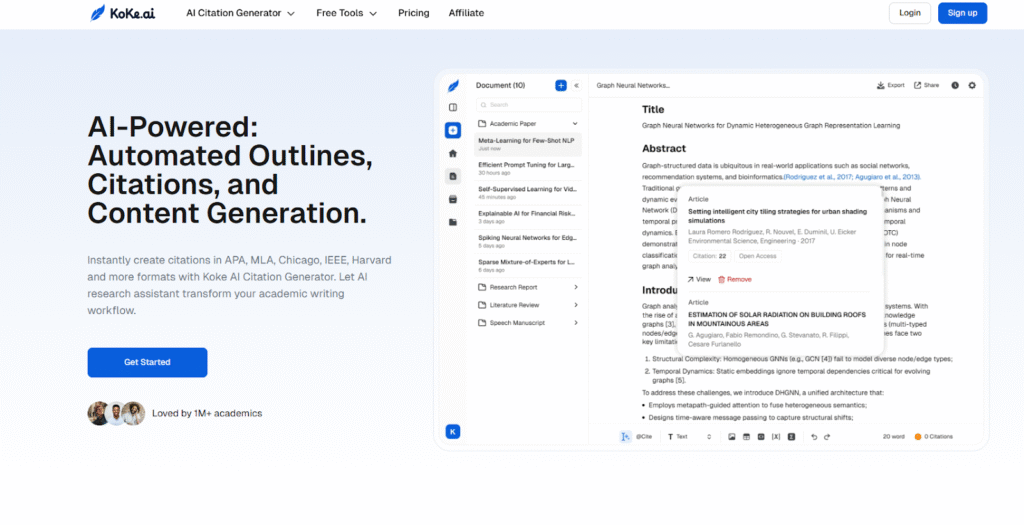
Koke AI is not just another writing assistant; it feels more like a comprehensive academic toolkit. From the very beginning, I noticed that it doesn’t limit itself to generating text—it also emphasizes originality checks, clarity improvements, and citation accuracy, which made my workflow noticeably smoother. For researchers dealing with highly structured formats like those required in engineering or medicine, the integration of features similar to an IEEE Citation Generator becomes particularly valuable.
Key Strengths
What impressed me most about Koke AI was the balance between automation and control. The platform suggests citations and provides polished drafts, but it doesn’t remove my ability to refine or override those choices. Its adaptability—switching from assisting with complex argumentative essays to handling concise lab reports—showed me how versatile it can be. And when cross-referenced with the kind of rigor one expects from an IEEE citation generator, the accuracy of its formatting exceeded my expectations.
Where It Stands in the Market
In a crowded landscape of AI-powered writing tools, Koke AI’s distinctive edge lies in its holistic approach: it doesn’t just patch one problem but instead gives students and professionals a reliable ecosystem. Still, I would say its learning curve may feel steep at first for users who only need something as simple as citation formatting, but that is a trade-off for depth and flexibility.
2. MyBib’s IEEE Citation Tool
What It Offers
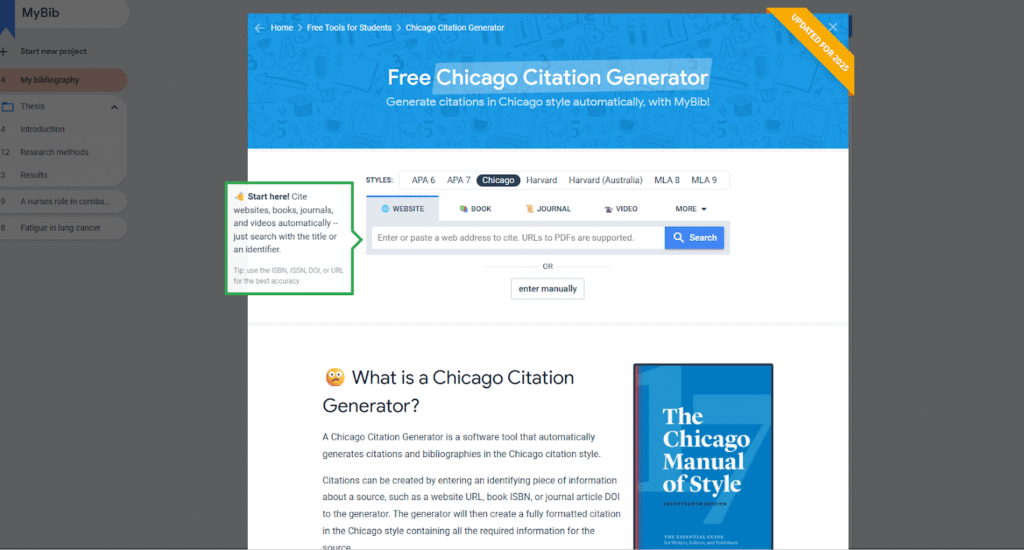
MyBib’s IEEE citation generator is straightforward, clean, and built with accessibility in mind. The interface eliminates unnecessary distractions, allowing me to paste source details and get a perfectly formatted citation in moments. For students in technical disciplines, where IEEE style is non-negotiable, this kind of focused tool can be a lifesaver.
Advantages and Limitations
One thing I appreciated about MyBib is its transparency: every input field is labeled, and the preview updates instantly. That being said, the platform is narrower in scope than Koke AI—it doesn’t help you evaluate the overall quality of your writing or spot conceptual gaps. Instead, it focuses entirely on the citation process, and within that niche, it is remarkably efficient. In many ways, it acts as a specialized hammer, while Koke AI feels more like a toolbox.
3. SciSpace Citation Generator
The Bigger Picture
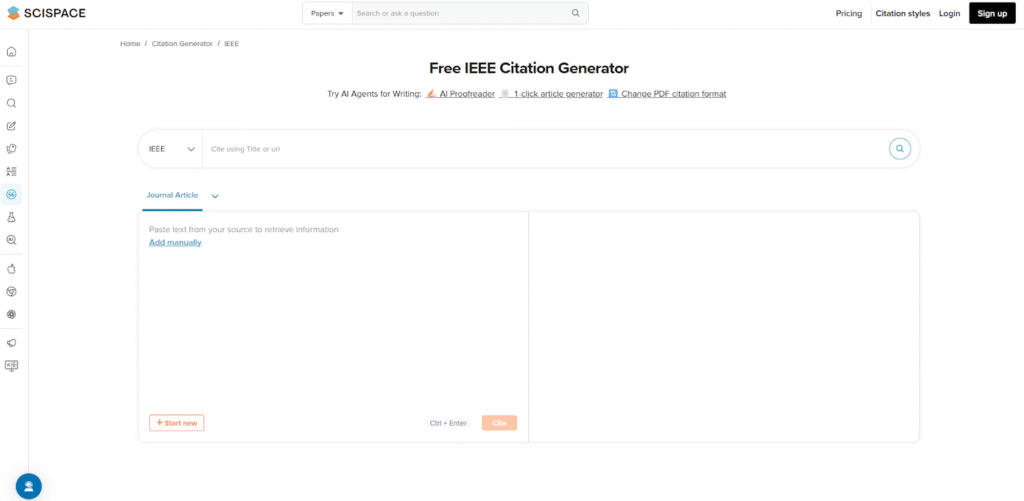
SciSpace aims to simplify scholarly work by offering more than just a citation builder—it combines reference management with a kind of collaborative research ecosystem. While testing its IEEE citation generator, I noticed how it streamlined the process of switching between styles, something particularly useful if you’re submitting to multiple journals with different requirements.
Distinctive Functions
The tool’s ability to integrate with research documents in real time set it apart from many competitors. I could generate IEEE-style references directly while drafting sections, without having to toggle between tabs. However, it does require a bit more initial setup compared to tools like MyBib, which might discourage casual users. Still, for those managing complex, multi-author projects, this additional effort pays off in the long run.
Final Thoughts
Testing these platforms reminded me that no single solution fits everyone. Koke AI shines when you want a holistic writing assistant, while a dedicated IEEE citation generator like MyBib’s tool ensures speed and accuracy. SciSpace, meanwhile, offers a middle path by embedding citation generation into a broader research process.
At the end of the day, the smartest choice is to recognize your priorities: if you need comprehensive support, go with something versatile; if speed is your priority, stick to streamlined generators. Either way, the current landscape ensures that students, researchers, and professionals have no excuse for poorly formatted references anymore.