
AI-powered creative tools are rapidly changing how visual stories are produced. Comics, which traditionally require a combination of illustration skills, storytelling experience, and extensive time investment, are now being transformed by intelligent automation. As a result, more creators are searching for the right AI Comic Generator to support their creative workflow.
Two tools often mentioned in this space are Anifun and AI Comic Factory. Both position themselves as AI-driven solutions for comic creation, promising faster production, lower entry barriers, and more accessible visual storytelling. However, not all AI Comic Generator tools are built with the same goals, audiences, or creative depth in mind.
This article provides a detailed comparison of Anifun vs AI Comic Factory, focusing on features, creative flexibility, usability, pricing, and long-term value. By examining how each AI Comic Generator performs in real comic creation scenarios, this guide helps creators decide which tool better fits their needs.
Feature Overview: Anifun AI vs AI Comic Factory
Anifun AI Comic Generator: Story-Driven Comic Creation
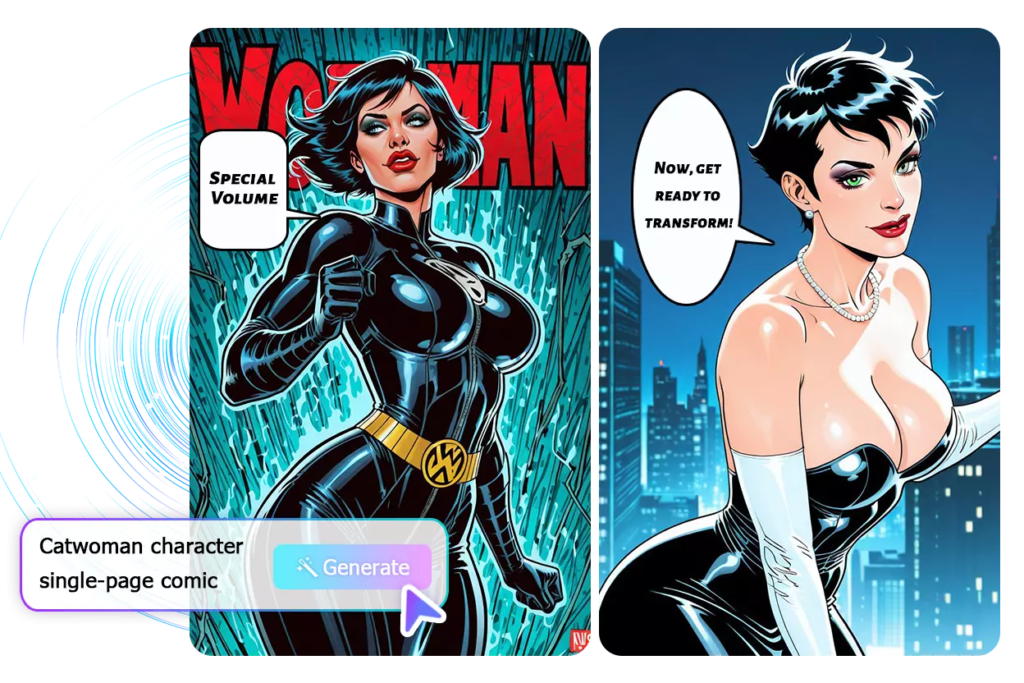
Make stunning comic from text:Anifun AI
Anifun AI Comic Generator is designed around storytelling rather than isolated image generation. It allows users to transform text-based ideas into comic-style visuals while preserving narrative flow. The platform emphasizes panel-based generation, character continuity, and visual coherence, making it suitable for long-form comic stories, storybooks, webcomics, and educational comics.
Key feature highlights of Anifun AI Comic Generator include:
- Text-to-comic panel generation
- Panel-structured storytelling rather than single images
- Support for character consistency across scenes
- Flexible styles suitable for anime, comic, and storyboard formats
- Beginner-friendly workflow focused on narrative creation
Anifun positions itself not just as an AI image tool, but as a creative assistant for building complete comic stories.
AI Comic Factory: Template-Oriented Comic Output
AI Comic Factory approaches comic creation from a more template-driven perspective. Its main strength lies in quickly generating comic-style layouts from predefined structures. Users often select formats, apply text or short prompts, and receive stylized comic outputs based on fixed templates.
Key feature highlights of AI Comic Factory include:
- Predefined comic layouts and formats
- Simple prompt-based image generation
- Fast results for short comic snippets
- Emphasis on quick visual output rather than story continuity
AI Comic Factory is generally geared toward short-form, experimental, or novelty-style comic generation rather than long narrative storytelling.
Anifun vs AI Comic Factory: Strengths and Limitations in Comic Creation
Storytelling Depth and Narrative Control
One of the most significant differences between the two platforms lies in storytelling depth. Anifun AI Comic Generator is designed to support narrative continuity. Users can build scenes sequentially, reuse character descriptions, and create story-driven comic flows. This makes Anifun better suited for users who want to tell longer or more structured stories.
AI Comic Factory, by contrast, works well for short, standalone outputs. While it can produce visually interesting panels, it offers limited control over long-term story progression. As a result, it may feel restrictive for creators who want to develop multi-scene or multi-chapter comics.
Character Consistency Across Panels
Character consistency is critical in comics. Anifun AI Comic Generator places strong emphasis on this area by allowing creators to define and reuse character descriptions consistently throughout a project. This helps maintain recognizable character traits across multiple panels and scenes.
AI Comic Factory typically treats each generation more independently. While characters can look similar, maintaining precise consistency across multiple scenes can be challenging, especially for longer stories.
Creative Flexibility vs Template Dependency
Anifun offers greater creative flexibility because it relies on descriptive prompts rather than rigid templates. Creators can shape scenes, emotional tones, and narrative structure more freely.
AI Comic Factory relies more heavily on predefined layouts and formats. This can be beneficial for fast creation, but it also limits customization. Users may find it difficult to break out of preset comic styles.
Scalability for Long-Form Projects
For creators interested in comic storybooks, educational comics, or serialized webcomics, scalability matters. Anifun AI Comic Generator scales well with story length, allowing creators to build upon previous scenes logically.
AI Comic Factory is better suited for short projects. Long-form scalability is limited due to its template-focused structure and weaker continuity support.
Beginner Accessibility
Both tools are accessible to beginners, but in different ways. AI Comic Factory offers immediate simplicity through templates, making it easy to generate something quickly. Anifun, however, guides beginners toward storytelling fundamentals by encouraging scene description, character definition, and narrative flow.
For beginners who want to learn how comics work, Anifun AI Comic Generator provides more educational value over time.
Limitations to Consider
Anifun’s emphasis on storytelling means users benefit most when they provide clear descriptions, which may require some learning. AI Comic Factory’s simplicity, while fast, may limit creative growth. Neither tool fully replaces professional illustration, but their goals differ significantly.
User Experience and Pricing Comparison
Ease of Use and Workflow
Anifun AI Comic Generator uses a text-first workflow that feels natural for writers and storytellers. Users describe scenes, generate panels, and iterate easily. The interface is designed to minimize technical friction.
AI Comic Factory’s workflow is more layout-first. Users choose formats and generate results quickly, but customization beyond templates can feel restricted.
Creative Control and Satisfaction
Users seeking creative control often prefer Anifun. The ability to shape scenes through language gives creators a sense of authorship. AI Comic Factory favors speed over control, which can be satisfying for quick experiments but limiting for serious projects.
Pricing and Value for Money
Anifun generally offers more value for users who want to create meaningful content over time. With features supporting story continuity and character reuse, its pricing aligns well with long-term creative use.
AI Comic Factory often appeals to casual users looking for quick, disposable outputs. For creators planning extended projects, costs may not justify the limited flexibility.
Long-Term Use and Growth
Anifun AI Comic Generator supports creator growth. As users improve prompt writing and storytelling, results improve accordingly. AI Comic Factory has a flatter learning curve, but also less room for creative progression.
Conclusion: Anifun Leads in Serious Comic Creation
When comparing Anifun vs AI Comic Factory, the answer depends on creative goals. AI Comic Factory performs well for quick, template-based comic visuals and casual experimentation. However, for creators who care about storytelling depth, character consistency, creative freedom, and long-term comic projects, Anifun AI Comic Generator stands out as the stronger choice.
By focusing on narrative-driven comic creation rather than isolated outputs, Anifun positions itself as a more complete AI Comic Generator for modern creators. Whether you are a beginner learning the basics or an experienced storyteller building complex comic worlds, Anifun offers the flexibility and structure needed to grow creatively.